Stage 1: Overstock — When You Carry Too Much Stock
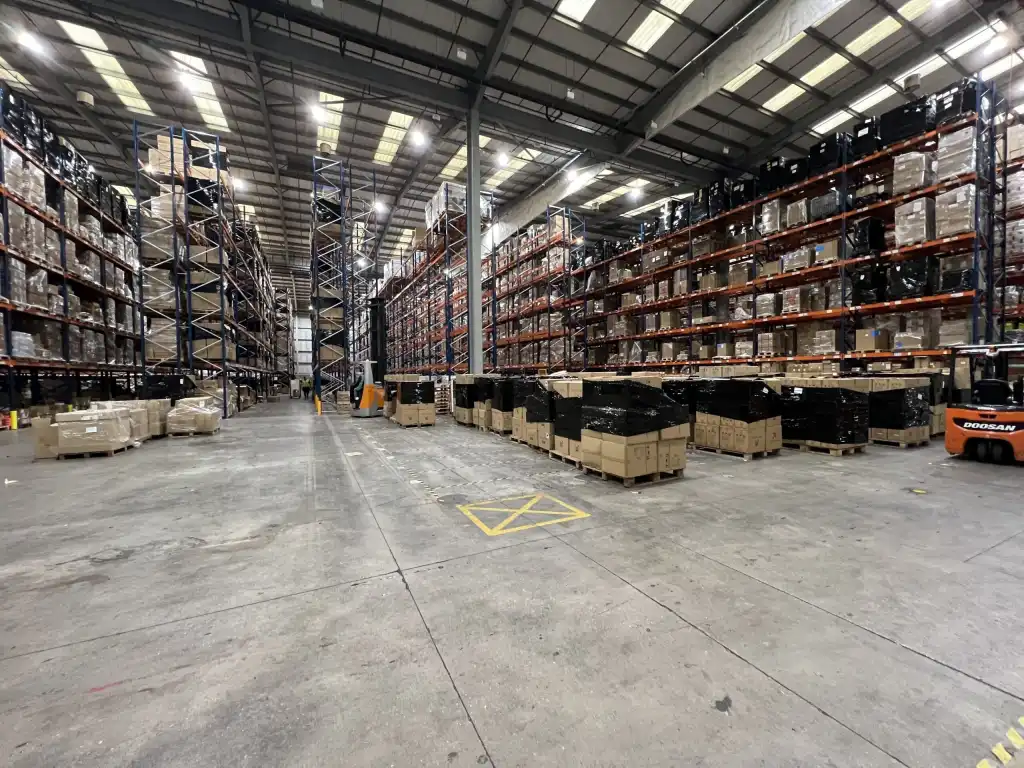
Overstock (or excess inventory) arises when ordering exceeds actual demand or sales forecasts. This often results from imperfect demand predictions, changing market tastes, or unexpected slowdowns. Excess stock ties up capital, uses up valuable warehouse space and increases carrying costs. :
Stage 2: Slow-Moving Inventory — Early Warning Signs
When products sit unsold beyond a typical sales cycle, they become slow‑moving inventory. While still technically “sellable,” slow movers carry growing risk. Holding them too long raises storage costs and reduces return on investment.
Stage 3: Clearance / Discount Sales — Trying to Recover Value
Rather than holding stock indefinitely, many businesses attempt to recover value by moving goods through clearance or discount sales — often marking items down or bundling with faster‑selling products. Clearance helps prevent stock aging further and reduces holding costs. It’s a common step before considering liquidation.
Stage 4: Obsolete or Dead Stock — When Value Drops Nearly to Zero
Over time — especially for seasonal items, rapidly changing products (fashion, electronics) or items past their expiry — unsold inventory can become obsolete. At this point, demand is gone or unpredictable, and the likelihood of selling at any profit is minimal. Such stock often becomes a liability rather than an asset.
Stage 5: Liquidation — Convert Dead or Excess Stock into Cash
Liquidation involves offloading unsold or excess inventory — often in bulk — at discounted prices to liquidators, discount retailers, or wholesalers. This helps businesses recover part of their investment, free up warehouse space, and reduce carrying costs. For many, liquidation is the final, most practical step to avoid further losses.
Why the Inventory Lifecycle Matters to Your Business
- Overstock and slow‑moving inventory drain working capital and inflate storage costs.
- Clearance can help recoup part of the cost — but delaying too long risks obsolescence.
- Obsolete stock may force write‑offs or deep‑discount liquidation — reducing margin or producing losses.
- Liquidation turns stagnant inventory into liquid capital, freeing space for new, better‑selling products.
How to Know When It’s Time to Act
- Track how long items stay in stock: if a product hasn’t sold for 90–180 days (or more, depending on normal sales cycle), that’s a warning sign.
- Monitor holding costs, warehouse space, and cash flow tied up in inventory — if the carrying cost outweighs potential future revenue, consider clearance or liquidation.
- Evaluate if the product remains relevant: seasonal goods, outdated models or style‑driven items can lose value fast — acting sooner may minimize loss.
How Bulk Closeout Buyers Can Help
Holding onto unsold inventory too long can drag down your business. Bulk Closeout Buyers offers a streamlined liquidation service — buying overstock, slow‑moving, or clearance stock in bulk so you recover cash quickly and free up valuable warehouse space. Whether you want to recover investment, avoid write‑offs, or prepare for new stock — connect with us.
Contact Bulk Closeout Buyers today for a free quote and clear your excess stock without hassle.